California Anger Management Legal Requirements and County Acceptance
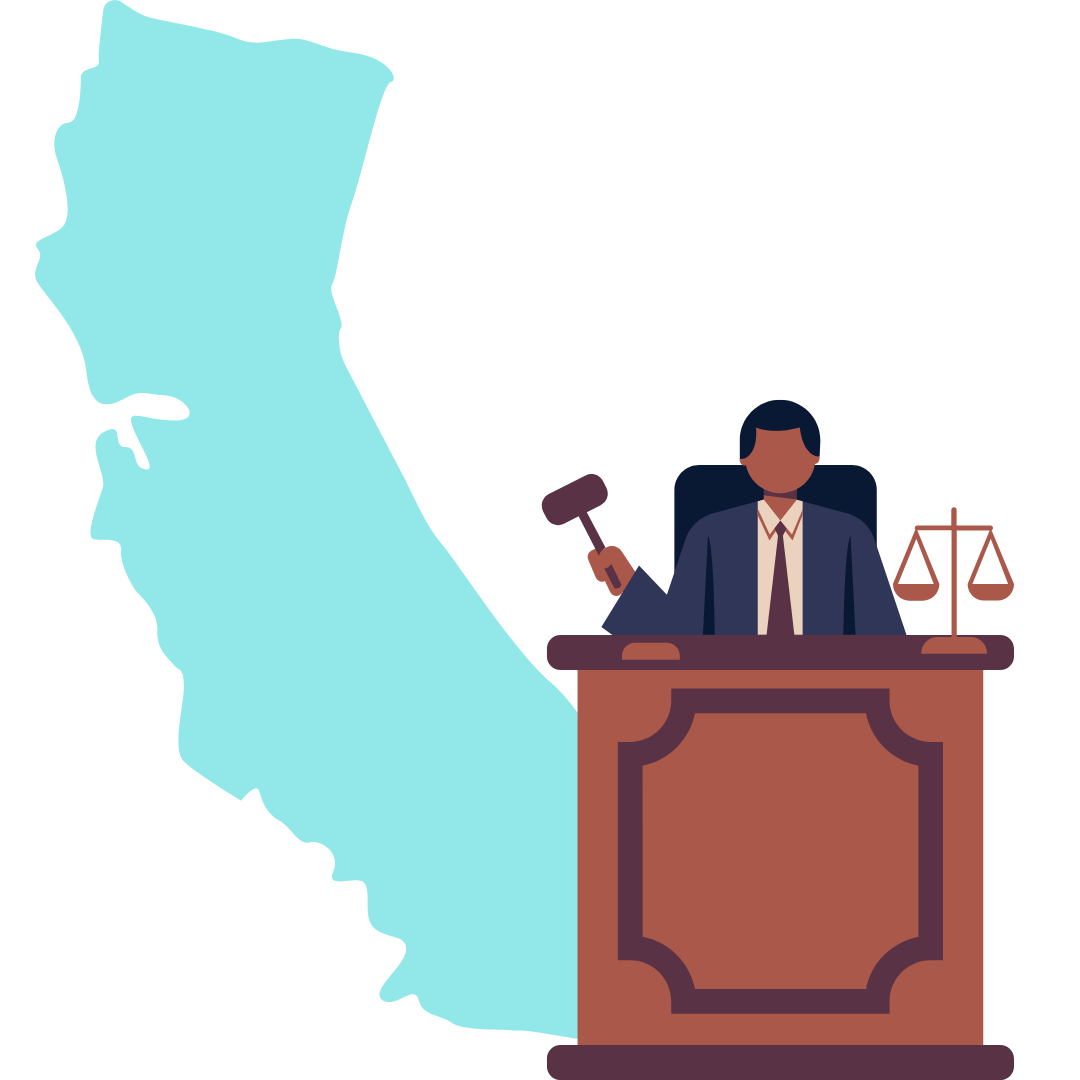
California’s court system — the largest in the nation, spanning 58 counties and 58 superior courts — regularly imposes anger management as a condition of probation, diversion, or suspended sentence for a broad range of non-domestic violence offenses including assault, battery, criminal threats, and disturbing the peace. California does not maintain a single statewide registry of approved anger management providers for non-DV cases, meaning acceptance of a specific program is typically determined at the county level by the individual judge or probation department. This decentralized approach means that a program widely accepted in Los Angeles County may not carry the same weight in Sacramento or San Diego. Before enrolling, contact your probation officer or the court clerk in your specific county to confirm that your intended program — and its format, whether in-person or online — will satisfy the terms of your order. Taking this step upfront is far less costly than discovering after completion that your certificate will not be accepted.
California Programs for low level offenders
California also offers several diversionary pathways for first-time and low-level offenders that frequently include anger management as a core condition. Proposition 36, along with county-level programs such as deferred entry of judgment (DEJ) and informal diversion, may provide eligible defendants an opportunity to avoid a formal conviction entirely by completing a court-approved curriculum within a specified timeframe. Online anger management has gained meaningful traction across California’s courts in recent years, though acceptance remains inconsistent across counties and courtrooms. Programs that are structured, professionally facilitated, and capable of issuing a detailed certificate of completion — documenting session attendance, topics covered, and program length — tend to fare best when presented to a California court. As with any court-ordered requirement, the specific language of your probation order or diversion agreement should always be your primary guide.
California County Directory
For California, all 58 counties are “green.” Since the state decentralized the approval process for non-DV cases, the California Superior Court
system allows individual judges and probation departments to accept online certificates that meet the rigorous documentation standards required by the California Penal Code. All California counties are currently known to accept certificates from online providers. You can complete your required 8, 12, 16, or 24-hour program online with confidence.

Enroll online
Start immediately
Login to Portal
Complete at your pace

Download Certificate
Submit to Court
FAQ
Where do I submit my certificate in California?
You submit your certificate of completion to the court in the county where your case is filed. Most California courts accept electronic filing, but check with your court clerk. We cannot and do not have the authority to file on your behalf.
Does California have a statewide list of approved anger management providers?
California does not maintain a centralized statewide registry of approved anger management providers for non-domestic violence cases. Unlike the domestic violence program track — which is governed by strict standards under the California Penal Code § 1203.097 — general anger management approval is left to the discretion of the individual judge or county probation department. This makes it essential to verify acceptance of any specific program directly with your court or probation officer before enrolling.
Who Needs a California Court-Ordered Course?
You may be required to complete a court-ordered course in California if you have been:
– Charged with or convicted of a qualifying offense
– Placed on probation with educational conditions
– Enrolled in a diversion or deferred sentencing program
– Ordered by a judge as part of a plea agreement
How long will my anger management program need to be in California?
California courts do not impose a single mandated length for non-DV anger management programs — duration is set on a case-by-case basis depending on the nature of the offense and the judge’s order. Programs typically range from 8 weeks for minor offenses such as disturbing the peace to 26 weeks or more for more serious assault or battery charges. If your order does not specify a length, consult your attorney or probation officer before enrolling, as choosing a program that is too short for your court’s expectations is one of the most common and easily avoidable compliance mistakes.
Are Online Court-Ordered Classes Accepted in California?
Yes. All 58 California counties are currently known to accept certificates from online providers. You can complete your required 8, 12, 16, or 24-hour program online with confidence.
Why Choose Our California Court-Ordered Classes?
✅ 100% online — complete from anywhere in California
✅ Start immediately after enrollment
✅ Verifiable certificates accepted statewide
✅ Progress saved automatically — finish at your own pace
✅ Instant certificate download upon completion
✅ Full refund if your court does not accept our certificate
Can anger management help me avoid a conviction in California?
In some cases, yes. California offers several diversionary pathways — including informal diversion and deferred entry of judgment (DEJ) — that may allow eligible first-time offenders to avoid a formal conviction by completing court-ordered conditions, which frequently include anger management. Successfully completing the program within the timeframe specified by your diversion agreement and providing documentation to the court is critical. Failure to complete on time can result in the diversion being terminated and prosecution resuming. Consulting with a local criminal defense attorney is the best way to determine whether a diversionary path is available for your specific charges and county.
Disclaimer
The information provided on this page is for educational purposes only and does not constitute legal advice. While we strive to provide accurate information regarding court requirements, laws and local rules can change. You should consult with a qualified legal professional or your local court clerk to confirm that an online certificate will satisfy the specific requirements of your case before enrolling.
Court-Approved Education Aligned With State Standards
Complete your court mandate today with our approved Anger Management Program and you can get your verified certificate within the same day.