New Jersey Parent Education Legal Requirements & County Acceptance
WHAT PARENTS NEED TO KNOW
New Jersey’s court system is among the most structured and procedurally sophisticated family court systems in the nation. Co-parenting education is a well-established component of the divorce and custody process across all vicinage divisions. The statutory and court rule foundation for these requirements flows from N.J.S.A. 9:2-4, which directs New Jersey courts to determine custody based on the best interests of the child across a comprehensive set of enumerated factors — including each parent’s willingness to accept custody and to cooperate with the other parent, each parent’s fitness, and the quality and continuity of the child’s education — and from New Jersey Court Rule 5:8-1, which governs the mediation and educational requirements that Family Division judges regularly incorporate into case management orders in contested custody proceedings. New Jersey’s Parenting Education Program, known formally as the New Jersey Parent Education Program, is one of the most well-developed state-administered co-parenting education frameworks in the country, and completion is a routine expectation in contested divorce and custody cases across all counties.
HOW NEW JERSEY’S PARENTING EDUCATION PROGRAM WORKS
Unlike many states where co-parenting education requirements are left largely to individual judicial discretion, New Jersey has developed a relatively standardized statewide framework for parenting education that reflects the state’s broader commitment to procedural consistency in family court proceedings. The New Jersey Parent Education Program is administered through the Administrative Office of the Courts and provides a structured curriculum focused on the impact of divorce and separation on children, effective co-parenting communication, conflict de-escalation, and long-term cooperative parenting strategies — content areas that align with the research on post-divorce child outcomes that has driven parenting education adoption across the country. Under N.J.S.A. 9:2-4 and applicable Family Division case management practices, New Jersey judges have broad authority to order participation in parenting education as part of the case management process — and in many vicinages, particularly Essex, Bergen, and Union Counties, it is incorporated into early case management orders as a matter of standard practice rather than exception. Online co-parenting programs have gained acceptance across New Jersey’s Family Division vicinages, particularly for parents who demonstrate scheduling conflicts, childcare constraints, or geographic limitations — though parents should confirm format acceptance with their specific judge or the Family Division case management office in their county before enrolling in any program.
CO-PARENTING EDUCATION IN NEW JERSEY CUSTODY MODIFICATIONS AND HIGH-CONFLICT CASES
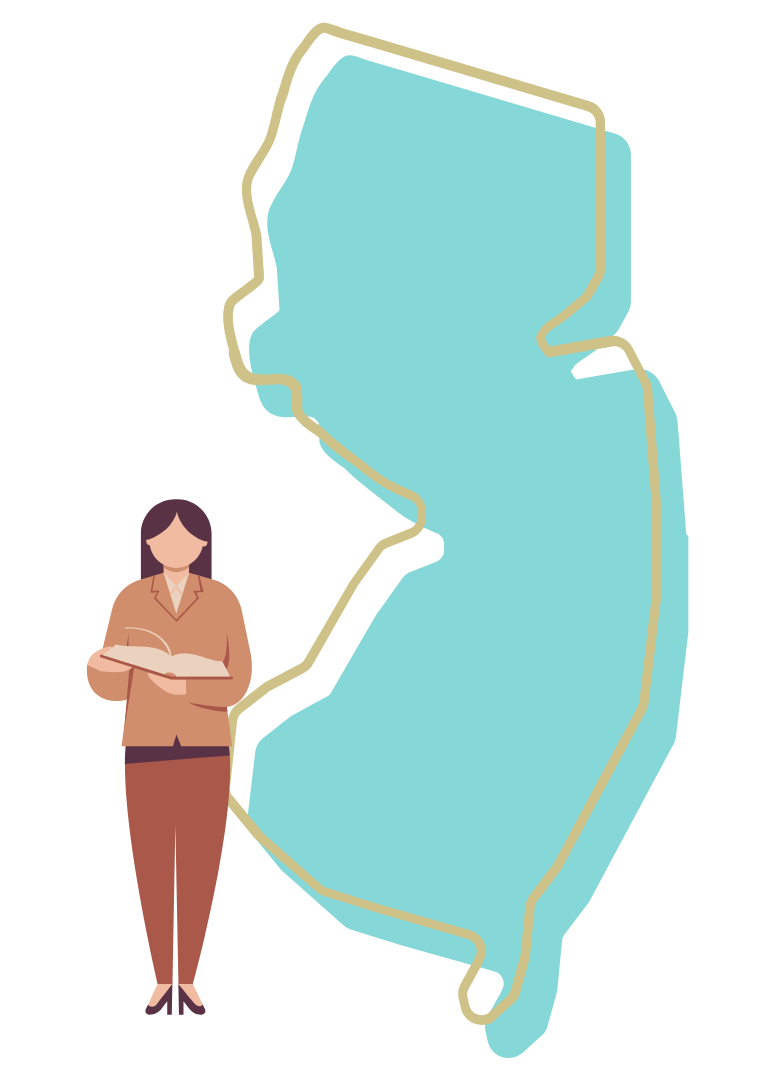
New Jersey’s family courts have developed particular sophistication in managing high-conflict custody cases — a context in which co-parenting education plays an especially significant role. In modification proceedings governed by the changed-circumstances standard articulated in Lepis v. Lepis, 83 N.J. 139 (1980) — New Jersey’s landmark family law precedent — a parent’s demonstrated track record of cooperative behavior, compliance with court orders, and engagement with co-parenting education carries genuine evidentiary weight before Family Division judges. New Jersey courts have also developed robust frameworks for parenting coordination and therapeutic intervention in high-conflict cases, and co-parenting education is frequently ordered as a foundational first step before more intensive interventions are considered. The New Jersey Courts Self-Help Center maintains extensive resources for self-represented litigants navigating custody and modification proceedings, and the New Jersey State Bar Association’s Lawyer Referral Service can connect parents with family law attorneys for case-specific guidance. Certificates of completion submitted to New Jersey Family Division courts should clearly document the provider name, course title, participant’s full name, hours completed, curriculum content areas covered, and the date of completion — and parents should retain copies given the potential relevance of compliance documentation in future modification or enforcement proceedings.
Enroll online
Start immediately
Login to Portal
Complete at your pace
Download Certificate
Submit to Court
New Jersey County Directory
While the New Jersey Parent Education Program is highly structured, online co-parenting education is broadly accepted across the state’s Family Division vicinages to satisfy N.J.S.A. 9:2-4. All 21 New Jersey counties are currently known to accept certificates from online parenting education providers. You can complete your required coursework online with confidence.
FAQ
Where do I submit my certificate in New Jersey?
You must submit your certificate of completion to the Clerk of the Superior Court in the county where your case is pending. If you are on probation, provide the certificate directly to your Probation Officer. For family law cases, the certificate is typically filed through the New Jersey Courts online filing portal.
Is New Jersey’s Parent Education Program mandatory in all divorce cases?
It is required in many contested custody and divorce cases, and Family Division judges across New Jersey’s 21 vicinages have broad discretion to order it based on the circumstances of your case. In several high-volume vicinages it is incorporated into early case management orders as standard practice. Confirm the specific requirements in your county with your attorney or the Family Division case management office.
Can I complete my New Jersey co-parenting requirement online?
Yes. Online programs have gained acceptance across New Jersey’s Family Division vicinages, but New Jersey’s structured parenting education framework means that format confirmation is particularly important before enrolling. Confirm acceptance with your specific judge or the Family Division case management office in your county — do not assume online completion will be accepted without verification.
How long is the New Jersey Parent Education Program?
The standard New Jersey Parent Education Program is typically a four-hour program. However, individual judges may order longer programs or additional components in high-conflict cases. Your case management order will specify what is required — confirm with your attorney or the clerk of court if your order is unclear.
How does co-parenting education factor into New Jersey custody modification proceedings?
New Jersey courts weigh each parent’s cooperative conduct and compliance with court orders heavily in modification proceedings under the changed-circumstances framework. A documented history of engaging with co-parenting education and communicating constructively with the other parent strengthens your position — while non-compliance has the opposite effect and can be cited directly against you in modification hearings.
What documentation does my New Jersey Family Division court require upon completion?
New Jersey Family Division courts expect a certificate of completion that includes the provider name, your full name, course title, hours completed, curriculum content areas, and your completion date. Some vicinages — particularly Essex, Bergen, and Middlesex Counties — may have specific formatting or submission requirements. Confirm with your attorney or the Family Division case management office before submitting.
What happens if I don’t complete the co-parenting program my New Jersey court ordered?
Non-completion of a court-ordered co-parenting program in New Jersey can result in a contempt finding, delay in case resolution, and direct negative impact on custody determinations. New Jersey Family Division judges take compliance with case management orders seriously — failing to complete an ordered educational program is treated as a failure to respect the court’s authority and the child’s best interests simultaneously.
Disclaimer
The information provided on this page is for educational purposes only and does not constitute legal advice. While we strive to provide accurate information regarding court requirements, laws and local rules can change. You should consult with a qualified legal professional or your local court clerk to confirm that an online certificate will satisfy the specific requirements of your case before enrolling.
Ready to get started?
Begin New Jersey’s court-approved parenting course. Enroll and file the same day.
